
Benefits of Rhodiola

Priscilla Ingold—
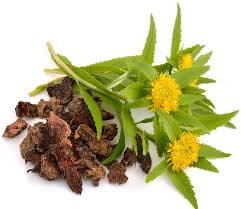
Rhodiola (whose scientific name is Rhodiola rosea), also known as "golden root" or "arctic root", is a plant highly valued in traditional medicine, especially in Northern Europe and Asia, for its properties as an adaptogen.
An adaptogen is a substance believed to help the body respond better to mental and physical stress and to restore normal organic and emotional functioning.
Here are the main benefits attributed to rhodiola:
1. Stress and Mood Management
- Adaptogenic Action: It's considered to help manage stress by regulating cortisol levels (the stress hormone), which reduces the feeling of anxiety and promotes a state of calm.
- Fights Fatigue and Exhaustion: Used to reduce mental and physical fatigue, and to increase energy and mental resilience in stressful situations.
- Mood Support: May help balance mood and reduce symptoms of mild to moderate depression, as it's believed to modulate neurotransmitters such as dopamine and serotonin.
2. Improved Cognitive Performance
- Concentration and Memory: It's credited with the ability to improve cognitive function, including concentration, memory and intellectual performance.
- Work Performance: Helps achieve better mental, physical and work performance by reducing feelings of weakness.
3. Physical Performance and Recovery
- Physical Endurance: Traditionally used to increase strength and physical endurance.
- Recovery: Some studies suggest it may shorten recovery time after strenuous training.
4. Other Attributed Benefits
- It has traditionally been used to improve learning, reduce elevated cholesterol, slow the aging process, treat altitude sickness, and in some cases has been linked to positive effects on the cardiovascular system and antioxidant properties.
Important Note on the Scientific Evidence
It's essential to know that, despite its traditional use and the benefits attributed to it:
- Limited Evidence: Many of the benefits attributed to rhodiola haven't been confirmed by high-quality studies in humans. Many of the studies are small and of limited quality, and some data are contradictory.
- Drug Interactions: Rhodiola can interact with several medications: Antidepressants (could cause tachycardia). Diabetes medications (could lower blood sugar too much). Anticoagulants (such as warfarin). Immunosuppressants (medications for autoimmune disorders).
- Precautions: Pregnant and breastfeeding women, children, and people with autoimmune disorders are advised to avoid its use.
You should always consult a doctor or health professional before taking rhodiola, especially if you're taking other medications or have a medical condition.